
The end of a blessed period?
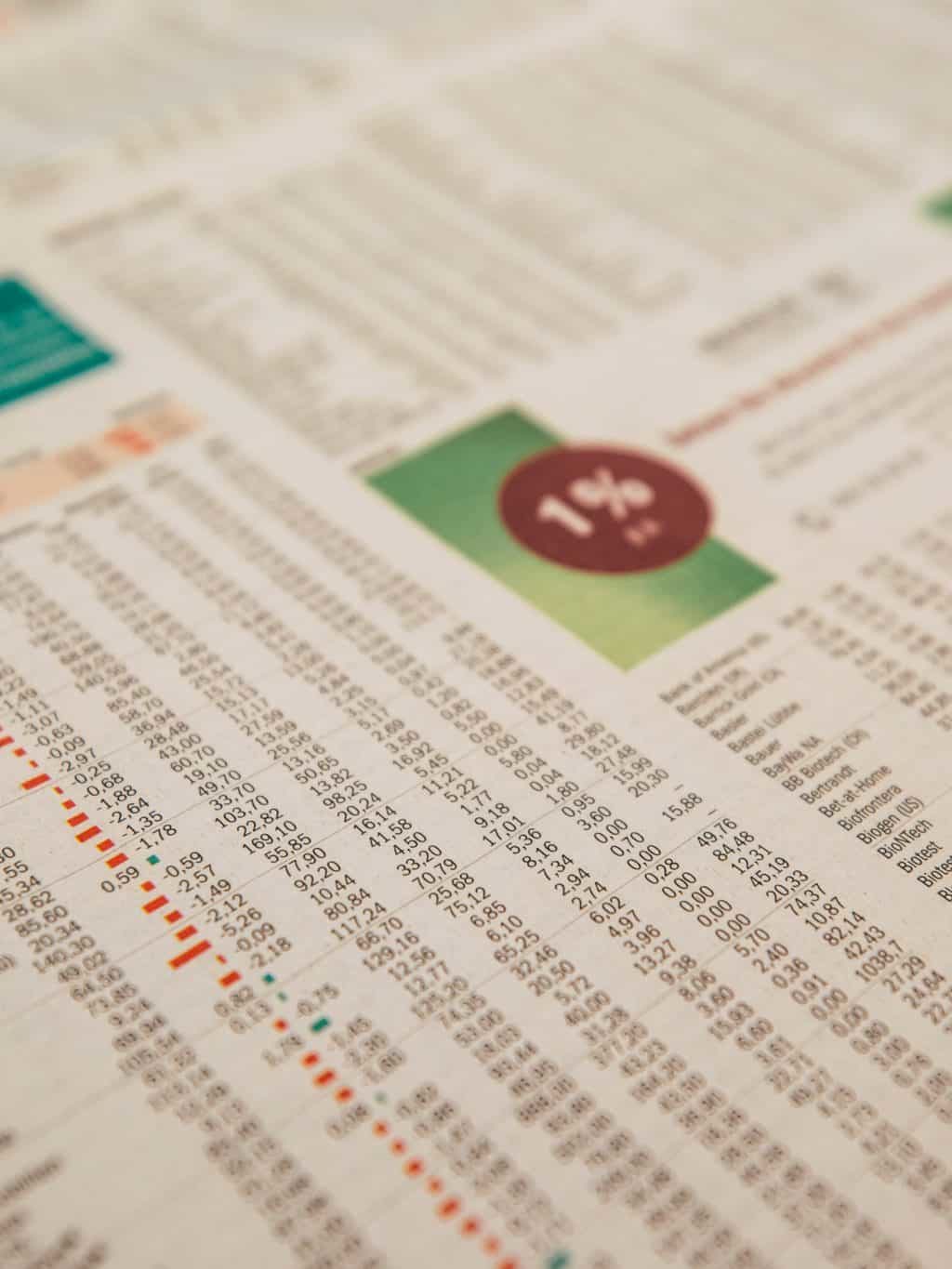
It must be acknowledged that this comes as a significant shock for Switzerland, which had not experienced such levels for 4 years. We had almost grown accustomed to extremely low rates, and the psychological threshold of 1% is always difficult to accept. However, even if the indicators appear unfavorable, there is no need to panic.
This sudden upward movement is largely linked to the US Federal Reserve’s announcement that it would raise its key interest rates several times in 2022 in order to curb inflation in the United States. On this side of the Atlantic, the situation is very different: neither the European Central Bank nor the Swiss National Bank (SNB) seems inclined to follow suit. Price increases in our region remain comparatively modest. Analysts therefore remain calm, anticipating only a limited rise in borrowing costs in Europe, an expectation that applies even more strongly to Switzerland.
The SNB remains vigilant
There are several reasons to believe that our Central Bank will hold off on raising interest rates. Firstly, an increase would push up construction costs, driving property prices per square metre even higher and exacerbating the shortage of available housing. Secondly, any rise in mortgage rates would put upward pressure on rents, reducing the purchasing power of Swiss households. These factors make it unlikely that the SNB will mirror the American approach. Finally, there is comfort in the nature of the slight inflation we are currently experiencing. It is largely driven by the strong post-pandemic economic recovery and should ease in the coming months. It therefore seems highly plausible that the upward trend observed in mortgage rates will be short-lived.